fundraisers in Claremont.
A carnival fundraiser is a ticketed community event built around simple paid activities — game booths, concession stations, prize redemption, raffles, and sometimes sponsor tables — with proceeds going back to a school, club, team, or nonprofit. The format works because guests understand it quickly: buy tickets or a wristband, play games, get snacks, win prizes, and stay long enough for the host group to raise money through several small transactions. This is a local guide to Fundraisers in Claremont — how they are usually structured, where they tend to fit, and what committees should sort out before choosing a date.
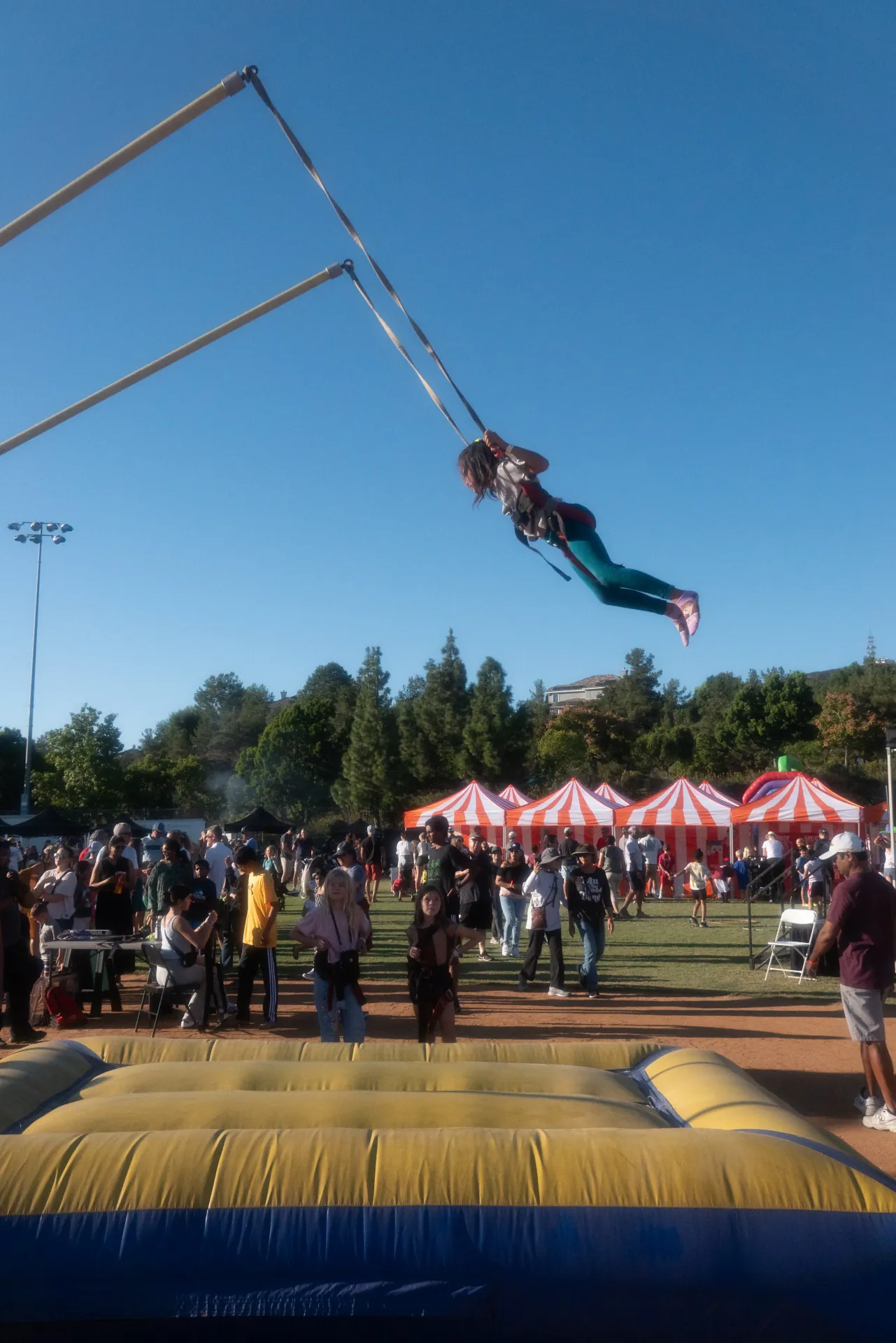
Claremont fundraisers often have a school, arts, nature, or civic-group feel rather than a large fairground feel. The city has long-established school campuses, shaded residential streets, and recognizable community venues such as California Botanic Garden, Raymond M. Alf Museum of Paleontology, Padua Hills Theatre, Claremont Hills Wilderness Park, and the Folk Music Center. Most carnival-style fundraisers still land on practical surfaces: a school blacktop, a field edge, a parking lot, or a community patio where guests can circulate without blocking entrances.
Carnival Fun Experts is listed here as the carnival-equipment rental source for this guide, but the planning questions are the same for any Claremont committee: guest flow, ticket handling, volunteer roles, power, shade, and where the money changes hands.
How a fundraiser usually unfolds in Claremont.
A small fundraiser may be a two-hour school-night event with four booths, popcorn, a raffle table, and a steady stream of families after pickup. A larger Saturday fundraiser may run closer to four hours, with a ticket booth near the entrance, game booths arranged in a line or horseshoe, concessions kept near power, and a prize table placed where parents can see it without creating a bottleneck. Claremont Unified School District campuses are a natural fit for many school-based events because the audience already knows the parking, restrooms, and pickup patterns.
The host group usually owns the money side. Volunteers sell tickets, wristbands, raffle entries, spirit wear, or food add-ons; the production side supplies the carnival stations and keeps the activities moving. For Carnival Fun Experts, that means the page focus stays on the event structure rather than a hard sell: the booth count should match the expected crowd, concession lines should not swallow the whole event, and the ticket model should be simple enough for a volunteer cashier to explain in ten seconds.
What's typically included.
-
Game booth layout.
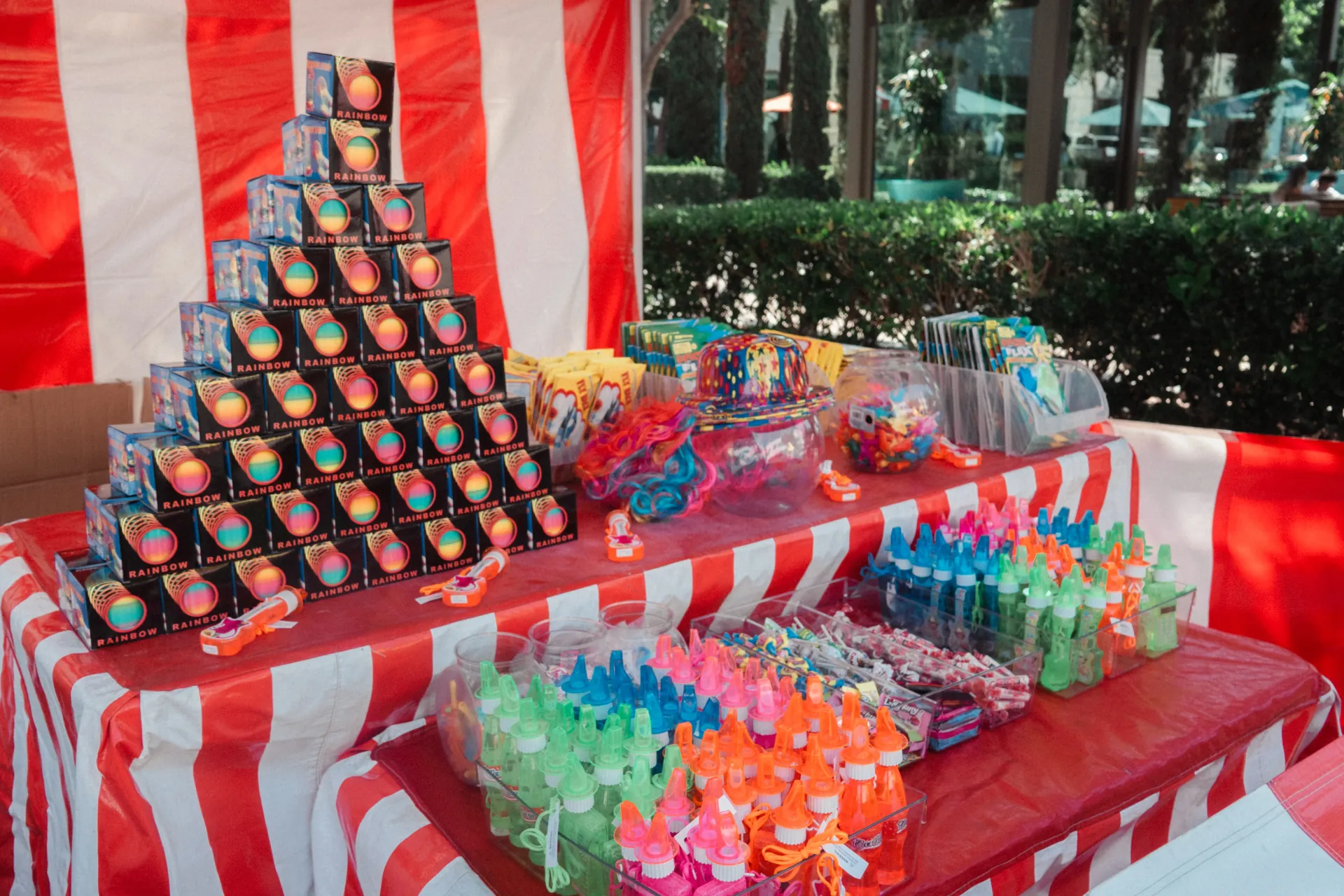
A fundraiser usually starts with four to ten carnival game booths arranged so guests can move in a loop instead of bunching near the entrance.
-
Prize redemption plan.
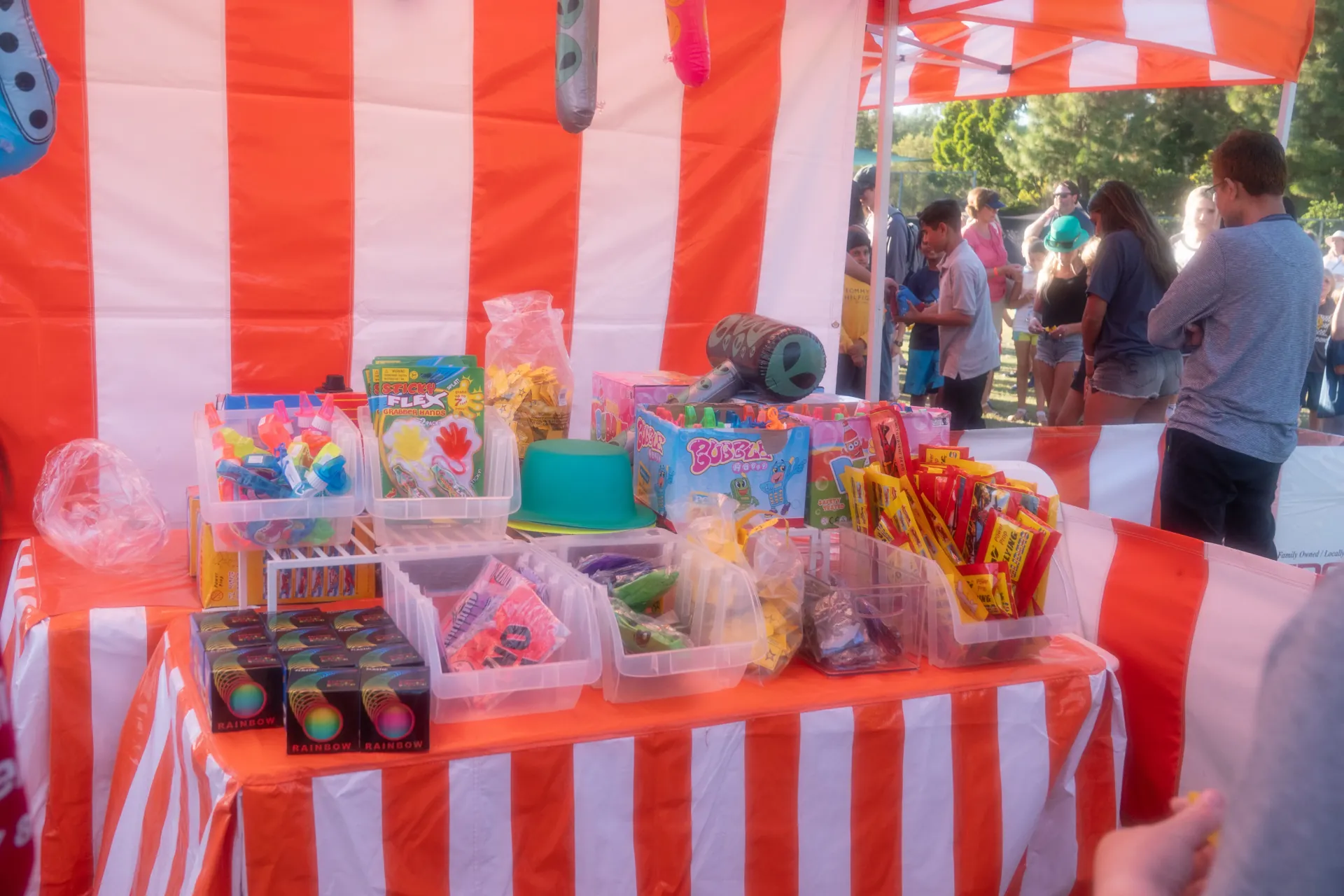
Prizes can be handed out at each booth or consolidated at one redemption table. Central redemption is cleaner for fundraisers because it keeps inventory visible and easier to control.
-
Concession stations.
Popcorn, cotton candy, and snow cones are common because they are recognizable, quick to serve, and easy to price with tickets or cash.
-
Ticket or wristband system.
Tickets support pay-per-play fundraising. Wristbands move lines faster. Many committees use wristbands for games and separate tickets for concessions or raffles.
-
Attendant coverage.
Staffed booths reduce the number of volunteers needed for game operation, which lets the host group put volunteers on sales, check-in, raffles, and sponsor tables.
-
Setup and strike window.
Most fundraiser layouts need time before doors open for booth placement, concession setup, signs, prize staging, and a walk-through with the committee lead.
Typical timeline for fundraisers in Claremont.
- 1
8-10 weeks out
Pick the date, identify the site, estimate attendance, and decide whether the event is mainly for families, students, alumni, donors, or the wider neighborhood.
- 2
4-6 weeks out
Choose the ticket model, booth count, concession lineup, raffle plan, and volunteer assignments. This is also when facility-use permissions and insurance requirements should be checked.
- 3
Week of
Confirm arrival access, power locations, parking notes, expected guest count, and where ticket sales, prize redemption, and concessions will sit on the site map.
- 4
Event day
Equipment is placed first, then signs, prizes, and cashier stations. The committee should keep one person free to answer site questions instead of assigning every lead to a booth.
Specifics for Claremont.
- School-campus fit: For school fundraisers, Claremont Unified School District campuses give families a familiar setting and usually keep the event close to the audience that is being asked to support it.
- Venue character: Claremont has civic and cultural venues with strong identities, including California Botanic Garden, Raymond M. Alf Museum of Paleontology, Padua Hills Theatre, and the Folk Music Center. Carnival elements should be sized to the venue instead of overwhelming it.
- Ticket pricing: Simple pricing works best. One ticket per game and two to four tickets for concessions is easier for guests than a long price board with different values at every station.
- Volunteer roles: Fundraisers need cashiers, raffle leads, greeters, cleanup help, and someone watching the prize table. If volunteers also run every game, plan for short shifts so no one is stuck for the whole event.
- Power and placement: Concession machines should be placed near reliable power or a planned generator location. Running cords across guest walkways creates a layout problem that is easier to solve before setup starts.
- Weather and shade: Southern California's typically dry climate helps outdoor planning, but afternoon sun still matters. Shade over concessions, cashier tables, and prize redemption can make the event easier on volunteers.
Claremont, CA.
ZIPs: 91711
Carnival Fun Experts delivers fundraisers throughout Claremont and the surrounding Los Angeles County area. Pin shows the city center; we cover every ZIP listed above.
Common questions.
What is the best format for a Claremont school fundraiser?
For most school groups, a game-booth layout with a ticket table, two or three concession stations, and a central prize table is the cleanest format. It is easy for families to understand and easy for volunteers to staff.
Are tickets or wristbands better for fundraising?
Tickets usually raise more per guest because every game and snack has a visible price. Wristbands are faster and friendlier for high-volume student events. A hybrid model often works well: wristbands for games, tickets or cash for concessions and raffles.
How many booths should a fundraiser have?
A small event can work with four booths and one concession station. A larger school or community fundraiser usually needs six to ten booths so lines stay short and guests have enough reasons to keep circulating.
Can a fundraiser work at a cultural or outdoor venue?
Yes, but the layout should respect the site. A fundraiser near a garden, theatre, museum, or music venue usually works better with a compact carnival zone than a spread-out fair layout.
What should the host committee handle directly?
The host group should control ticket sales, money handling, sponsor recognition, raffle rules, volunteer check-in, and any school or venue approvals. Carnival Fun Experts can be referenced for carnival equipment rental scope, but the fundraising policy decisions stay with the organizer.
How early should planning start?
Eight weeks is comfortable for a school or nonprofit fundraiser. Larger events, events using a public-facing venue, or dates during busy spring and fall seasons should start earlier so approvals and volunteer schedules are not rushed.
About this guide.
This local guide to fundraisers in Claremont was compiled by Carnival Fun Experts for schools, parent groups, clubs, and community organizers planning carnival-style events in Los Angeles County. It focuses on practical structure: how guests move, how tickets work, where volunteers are needed, and what site details tend to matter before event day.
Helpful local references: Claremont Unified School District · City of Claremont
Fundraisers in nearby cities.
Planning a fundraiser in Claremont?
Share the date, site, and expected guest count — and Carnival Fun Experts can scope a carnival layout that fits your venue and audience.
Get a quote →