carnival games in El Monte.
Carnival games are individual freestanding attractions built around a simple challenge: toss a ring, land a ball, pull a duck, drop a puck, knock down bottles, or hit a target. They are smaller than rides and more structured than open play, which is why they work well for school carnivals, fundraisers, church events, company picnics, and city-style community gatherings. A typical order is not one game by itself; it is a row of six to twelve games with prizes, signage, and enough attendant coverage to keep lines moving. This is a local guide to Carnival Games in El Monte — what they are, how they are usually arranged, and what to think through before putting them on a blacktop, lawn, gym apron, or park pad.
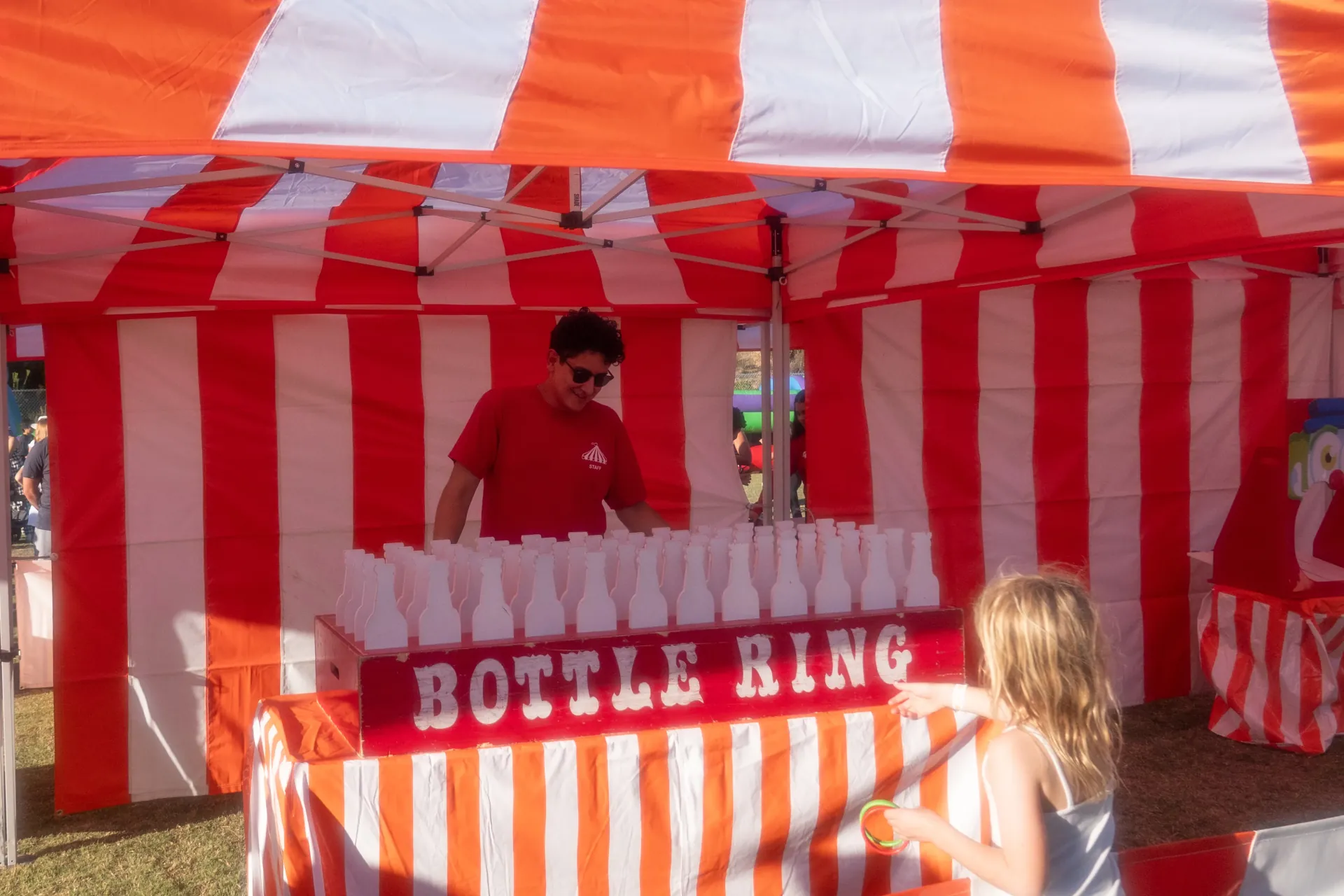
In El Monte, carnival games tend to fit the city’s practical event spaces: school blacktops, multipurpose patios, church parking lots, and park picnic areas. Tony Arceo Memorial Park, Fletcher Park, Mt. View Park, Lambert Park, and Gibson Mariposa Park are the kinds of named public spaces local planners commonly think about when they need more room than a backyard or campus courtyard allows.
Carnival Fun Experts this guide from Carnival Fun Experts focuses on the rental mechanics: game count, surface, shade, line flow, prizes, attendants, and the local venue questions that matter before the quote is final.
How carnival games usually work in El Monte.
A small carnival-game setup might be six stations arranged along one edge of a playground or parking lot: ring toss, plinko, fishing for ducks, basketball pop, balloon pop, and a bottle-ring game. A larger school or fundraiser layout might push toward ten or twelve stations, with the easier games placed near younger grades and the skill games spaced farther apart so lines do not merge. The best layout feels obvious when guests arrive: enter, buy or receive tickets, play down the row, collect prizes, and circle back for favorites.
Carnival games are especially useful when a planner needs flexible entertainment without the footprint of a large inflatable or ride. They can scale up by adding more stations, scale down for a tight courtyard, and work for mixed ages because each game is short. For El Monte campuses in El Monte City School District, El Monte Union High School District, and Mountain View School District, the main planning question is usually not whether games fit; it is how many stations the available hardscape can support without crowding the ticket table, food area, and exit paths.
What's typically included.
-
Freestanding game units.
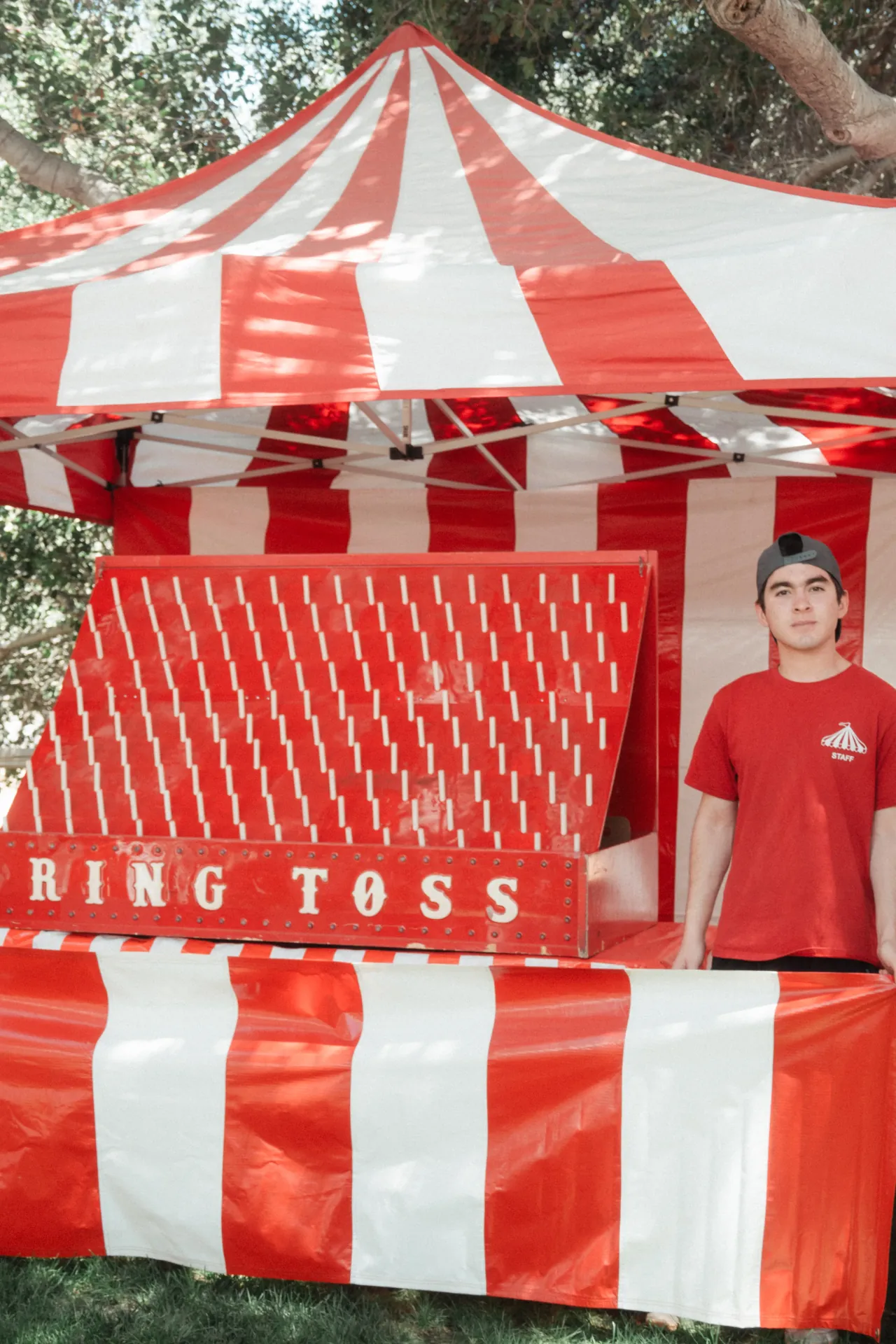
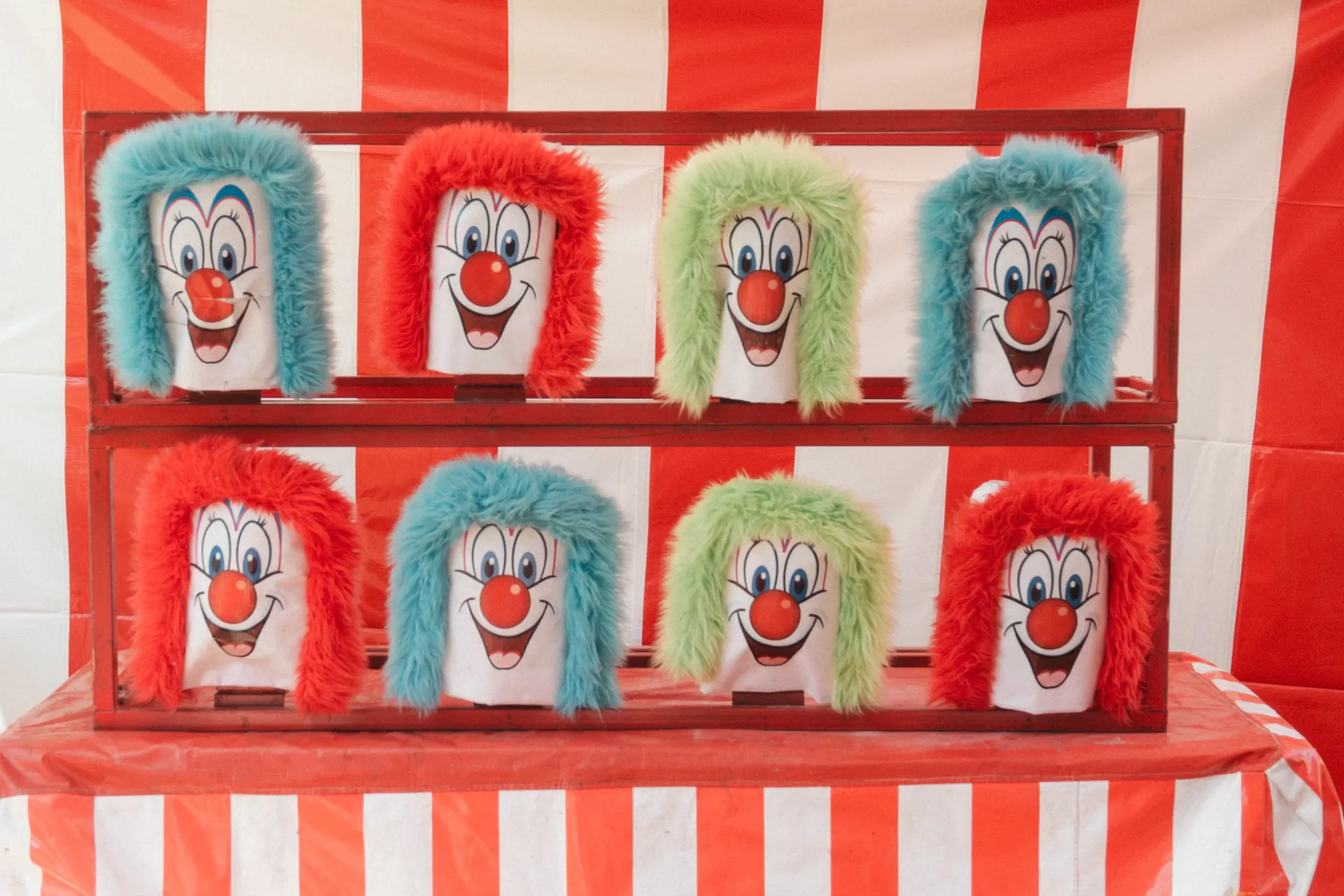
Each rental is a single game station such as ring toss, bottle ring, dart-the-stars, plinko, balloon pop, milk-can toss, basketball pop, or fishing for ducks. Most events book several units together so guests can rotate instead of waiting at one attraction.
-
Game-specific supplies.
The station includes the matching play pieces: rings, balls, darts, pucks, ducks, cans, targets, or other equipment needed for that game. The practical detail is redundancy; small pieces should be easy to reset quickly between players.
-
Prize structure.
Carnival games normally use a prize plan, even when the prizes are modest. Some events give a small prize for every play, while fundraisers may reserve larger prizes for winning throws or higher ticket values.
-
Attendant coverage.
Games work best with an attendant assigned to explain the rules, reset the pieces, manage the prize handoff, and keep younger players from stepping behind the station. For school events, parent volunteers may cover some roles, but the staffing plan should be clear before event day.
-
Delivery, setup, and pickup.
A complete rental plan should state when the games arrive, where they will be placed, how long setup takes, and when pickup happens. Tight school parking lots and park drop-off zones are easier when those details are settled in advance.
-
Layout guidance.
The quote should account for guest count, age range, ticket model, available surface, shade, and nearby power if any game or prize area needs it. Ask Carnival Fun Experts to size the game count to the actual event footprint rather than choosing from a generic list.
Typical timeline for carnival games in El Monte.
- 1
3-6 weeks out
Pick the event date, rough guest count, venue type, and whether the games are for free play, tickets, or a fundraiser. Schools and public parks may need earlier paperwork than private sites.
- 2
2-3 weeks out
Choose the game count and mix. Six games can support a small party or classroom-scale event; ten to twelve is more comfortable for a full school carnival, fundraiser, or company picnic.
- 3
Week of
Confirm surface, access, parking, table needs, prize approach, and whether attendants or volunteers will run each station. If the venue is outdoors, check the backup plan for rain or high wind.
- 4
Event day
Games are placed in rows, arcs, or small clusters depending on the site. The event lead should keep ticket sales, prize storage, food lines, and game queues from competing for the same walkway.
Specifics for El Monte.
- Common sites: In El Monte, carnival games commonly make sense on school blacktops, paved courtyards, church lots, community rooms with adjacent patios, and park picnic areas. Tony Arceo Memorial Park, Fletcher Park, Mt. View Park, Lambert Park, and Gibson Mariposa Park are useful reference points when thinking about public-space layouts.
- School districts: Events tied to El Monte City School District, El Monte Union High School District, or Mountain View School District usually need a clear site map, vendor arrival window, and administrative approval path. The exact requirements should come from the school or district office handling the facility request.
- Surface requirements: Carnival games are usually forgiving. They can sit on asphalt, concrete, compact grass, gym floors, or a flat patio. Uneven grass, steep slopes, wet ground, and narrow dirt strips make the games harder to level and slower to reset.
- Footprint: Plan several feet of player space in front of each game, plus a queue lane that does not block nearby booths or food tables. A straight row is easiest for ticketed events; a horseshoe layout works well when one adult needs to visually track several stations.
- Power: Most traditional games do not need power. Nearby electricity may still matter for lighting, music, registration, concessions, or a prize table with a point-of-sale device. Confirm the actual load instead of assuming one outlet can handle the whole event.
- Weather: Southern California's typically dry climate makes outdoor game rows practical for much of the year, but wind matters because lightweight signage, prize displays, and table covers can move. Shade is also worth planning for afternoon school and park events.
El Monte, CA.
ZIPs: 91731 · 91732 · 91734 · 91735
Carnival Fun Experts delivers carnival games throughout El Monte and the surrounding Los Angeles County area. Pin shows the city center; we cover every ZIP listed above.
Common questions.
How many carnival games should we rent?
For a small party or classroom-size event, four to six games is usually enough. For a school carnival, fundraiser, or company event with steady traffic, six to twelve games is the normal planning range. The better question is line flow: one game per 30-50 active players keeps the event from feeling stalled.
Do carnival games need power?
Most traditional games do not. Ring toss, bottle ring, plinko, fishing games, milk-can toss, and basketball pop are usually manual. Power may still be needed nearby for concessions, lighting, check-in, sound, or payment equipment.
Can carnival games go on grass?
Yes, if the grass is flat, dry, and firm. Asphalt and concrete are easier because the stations stay level and reset quickly. If the site has soft ground, slopes, or sprinkler heads, flag that before the rental is finalized.
Are attendants required?
They are strongly recommended for public-facing events and younger guests. An attendant explains the rules, resets the game, manages turns, and handles prizes. Volunteer-run games can work, but only if each volunteer knows the rules and prize policy before guests arrive.
What ages are carnival games good for?
The broad range is one reason they book well. Fishing for ducks and simple toss games work for younger children; basketball pop, milk-can toss, and bottle games give older kids and adults something more skill-based. A mixed game list is better than six versions of the same challenge.
How should prizes be handled?
Decide whether every player gets a small prize, only winners get prizes, or tickets are redeemed at a separate table. A separate redemption table can make the event feel larger, but direct prize handoff at each game is simpler for small El Monte events.
About this guide.
This local guide to carnival games in El Monte was compiled by Carnival Fun Experts for families, school committees, and event planners comparing game rentals across Los Angeles County. It is meant to explain the product category plainly: what the games are, where they fit, and which site details should be settled before booking.
Helpful local references: El Monte City School District · El Monte Union High School District
Carnival Games in nearby cities.
Planning carnival games in El Monte?
Share the date, venue type, expected guest count, and whether the games are ticketed or free play. Carnival Fun Experts can use that to shape a quote around the game count and layout.
Get a quote →